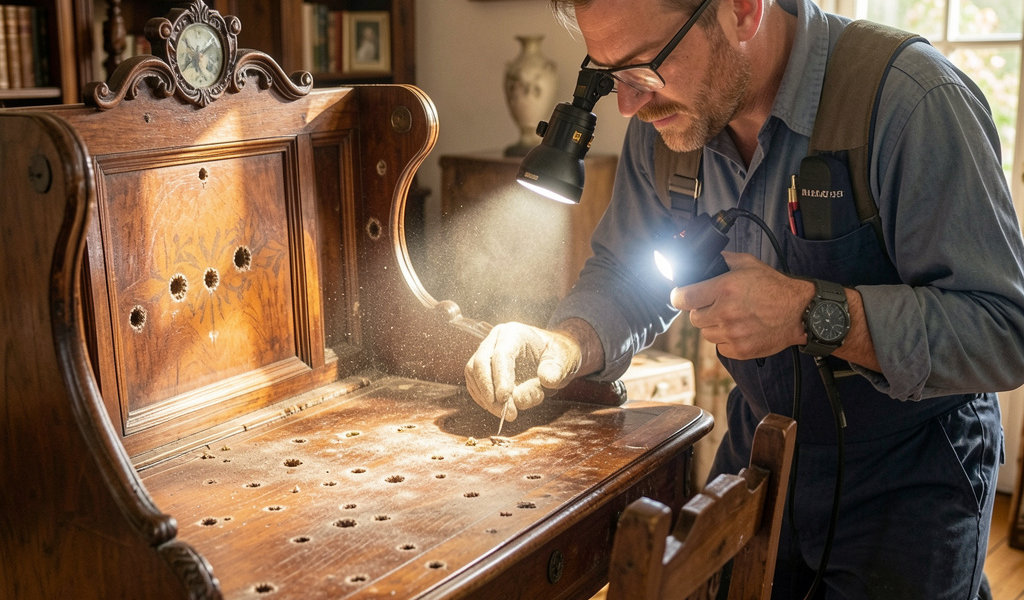

Many homeowners assume that woodworm is only a problem when they notice tiny holes in wooden furniture or find fine dust beneath floorboards. In reality, woodworm can be active throughout the year, but certain seasons make infestations much more noticeable. Understanding woodworm season can help you detect problems early, protect your timber, and prevent expensive repairs.
Despite the name, woodworm is not actually a worm. It refers to the larvae of several species of wood-boring beetles that spend most of their lives hidden inside timber. These larvae can feed on wood for years before emerging as adult beetles, leaving behind the characteristic exit holes that signal an infestation.
In this guide, we’ll explain when woodworm infestations are most common, why seasonal changes matter, and how to protect your home all year round.Visit online https://www.shashel.eu for more details.
What Is Woodworm?
The term woodworm describes the larval stage of various wood-boring beetles rather than a single insect. The most common species found in European homes include:
- Common Furniture Beetle
- Deathwatch Beetle
- House Longhorn Beetle
- Powderpost Beetle
Adult beetles lay their eggs on wooden surfaces or inside small cracks. Once the eggs hatch, the larvae tunnel deep into the timber, feeding on cellulose and creating internal galleries. After completing their development, the adult beetles emerge through small exit holes, leaving visible evidence of an infestation.
Is There a Woodworm Season?
Yes—but it’s important to understand what “woodworm season” really means.
The larvae remain inside the wood throughout the year, feeding continuously. However, adult beetles usually emerge during the warmer months, making infestations much easier to detect.
For most wood-boring beetle species in Europe, the peak season runs from late spring through summer, typically between May and September. During this period, adult beetles leave the timber, mate, and lay eggs to begin the next generation.
This is why many homeowners first notice woodworm activity during warmer weather.
Spring: The Beginning of Woodworm Season
As temperatures begin to rise in spring, adult beetles start emerging from infested timber.
During this time, you may notice:
- Fresh exit holes in wooden furniture
- Small brown beetles near windows
- Fine powder (frass) beneath timber
- Increased insect activity indoors
Spring is one of the best times to inspect your home because newly emerged beetles leave clear signs of their presence.
Summer: Peak Woodworm Activity
Summer is generally considered the height of woodworm season.
Warm temperatures encourage adult beetles to:
- Leave the timber
- Search for mates
- Lay eggs on suitable wooden surfaces
- Start new infestations
Although adult beetles live for only a few weeks, they play a critical role in spreading woodworm throughout a property.
This is also when fresh frass and newly formed exit holes are most likely to appear.
Autumn: Hidden Activity Continues
By autumn, most adult beetles have completed their life cycle.
However, this does not mean the infestation has ended.
Newly hatched larvae have already burrowed into the timber and continue feeding unseen throughout the colder months.
Although visible signs become less obvious, internal damage continues.
Winter: Woodworm Doesn’t Disappear
Many people believe woodworm dies off during winter, but this is a common misconception.
The larvae remain protected inside the wood, where temperatures are relatively stable.
While colder conditions may slow their development slightly, they continue feeding and tunneling through the timber.
This means damage can continue even when there are no visible adult beetles.
Why Warm Weather Makes Infestations More Noticeable
The appearance of adult beetles is closely linked to temperature.
Warmer weather:
- Accelerates beetle development
- Encourages emergence from timber
- Supports mating activity
- Increases egg laying
As adult beetles chew their way out of the wood, they create the familiar small round exit holes that homeowners associate with woodworm.
This is why infestations often seem to “appear” during spring or summer, even though larvae may have been inside the timber for several years.
Signs of an Active Woodworm Infestation
Regardless of the season, several warning signs indicate woodworm activity.
Fresh Exit Holes
Small, clean-edged holes measuring approximately 1–3 mm in diameter often indicate recently emerged beetles.
Fine Powder (Frass)
Fresh frass resembles fine sawdust and usually collects beneath infested timber.
If powder continues to appear after cleaning, the infestation may still be active.
Live Adult Beetles
Finding small brown beetles indoors during spring or summer often indicates active woodworm.
Weak Timber
As larvae tunnel through the wood, beams, furniture, and floorboards may become soft or brittle.
Which Areas Should You Inspect During Woodworm Season?
Regular inspections during spring and summer can help identify infestations early.
Pay particular attention to:
Roof Spaces
Inspect:
- Rafters
- Roof trusses
- Loft flooring
- Ceiling joists
Wooden Furniture
Check:
- Antique cabinets
- Dining tables
- Chairs
- Wardrobes
- Bookshelves
Floorboards
Look for:
- Fresh holes
- Powder between boards
- Soft spots
- Sagging timber
Basements and Cellars
Damp, poorly ventilated areas provide ideal conditions for many wood-boring beetles.
Factors That Increase the Risk of Woodworm
Woodworm is more likely to infest timber under certain conditions.
Common risk factors include:
- High humidity
- Roof leaks
- Poor ventilation
- Damp timber
- Untreated wood
- Older buildings
- Antique furniture
Keeping timber dry is one of the most effective ways to reduce infestation risk.
How to Prevent Woodworm During Peak Season
Preventive maintenance is especially important before and during woodworm season.
Here are some practical steps:
- Inspect wooden structures every spring.
- Repair roof and plumbing leaks promptly.
- Improve ventilation in lofts and basements.
- Reduce indoor humidity.
- Treat exposed timber with suitable wood preservatives.
- Avoid storing valuable furniture in damp locations.
- Arrange professional timber inspections for older properties.
Routine inspections often identify problems before extensive damage occurs.
Should You Treat Woodworm in Winter?
Yes.
Although adult beetles are less visible during winter, larvae remain active inside the timber.
Treating woodworm outside the peak season can prevent adult beetles from emerging and reproducing the following spring.
In many cases, winter is an excellent time for professional treatment because it interrupts the beetle’s life cycle before egg laying begins again.
When Should You Call a Professional?
Professional assistance is recommended if:
- Fresh exit holes continue appearing.
- Large amounts of frass are present.
- Structural beams are affected.
- Multiple rooms show signs of infestation.
- Timber feels soft or unstable.
- You’re uncertain whether the infestation is active.
A qualified timber specialist can identify the beetle species, determine whether the infestation is active, and recommend the most appropriate treatment.
Conclusion
Woodworm infestations are most noticeable during late spring and summer, when adult beetles emerge from timber, leaving behind fresh exit holes and powdery frass. However, the real damage occurs year-round as larvae feed silently inside the wood, often for several years before becoming visible.
Understanding the seasonal life cycle of wood-boring beetles allows homeowners to inspect their properties at the right time and take preventive action before serious structural damage develops. Regular inspections, moisture control, and timely treatment remain the best defenses against woodworm, regardless of the season.
